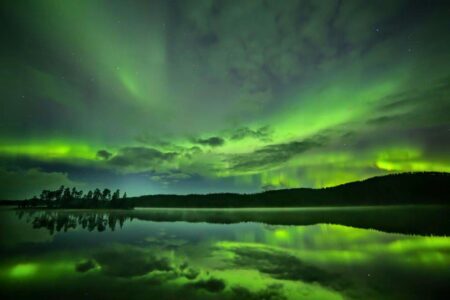
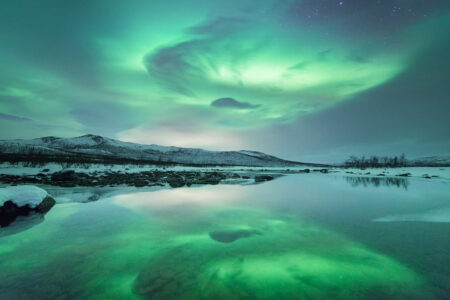
Seeing the Northern Lights is one of the world’s great travel experiences, but timing and location matter.
If you’re hoping to see the aurora in 2026, the good news is that this is still an excellent year to plan a Northern Lights holiday. The Sun entered its current solar maximum period during Solar Cycle 25, according to NASA and NOAA, meaning solar activity has been heightened compared with quieter years in the solar cycle. That does not guarantee an aurora display, but it does make 2026 a particularly exciting time to travel north.
So, when should you go, and where gives you the best chance of seeing the lights?
The short answer
For the rest of 2026, the best time to travel for the Northern Lights is from September to December 2026, with the wider aurora travel season continuing into March and early April 2027.
For the best combination of darkness, Arctic atmosphere and luxury accommodation, we recommend:
- Finnish Lapland for glass igloos, snowy forests and classic winter magic.
- Swedish Lapland for remote wilderness, boutique lodges and dark skies.
- Northern Norway for dramatic fjords, islands and coastal aurora hunting.
- Iceland for wild landscapes, geothermal bathing and flexible touring.
The right choice depends on the style of holiday you want, romantic, adventurous, family-friendly, remote, luxurious or scenic.
Why 2026 is a good year for the Northern Lights
The Northern Lights are caused by charged particles from the Sun interacting with Earth’s magnetic field and atmosphere. They are always active to some degree, but some years are better than others because the Sun follows an approximate 11-year solar cycle.
NASA and NOAA announced that the Sun reached its solar maximum period in October 2024, a phase associated with more sunspots, solar flares and geomagnetic activity.
By 2026, we are past the very peak of the cycle, but aurora activity can remain strong during the declining phase. In practical terms, that means 2026 is still a very worthwhile year to plan a Northern Lights holiday, especially if you travel to the auroral zone, choose a dark-sky location and stay for more than just one night.
When should you go in 2026?
The Northern Lights season in the Nordic regions generally runs from late August or September through to April, when the nights are dark enough to see the aurora. Visit Finland, for example, describes Finland’s Northern Lights season as running from late August to April.
For anyone planning now, the key remaining travel windows in 2026 are:
September 2026: early-season aurora and autumn colours
September is one of the most underrated months for a Northern Lights holiday.
The nights are dark again, temperatures are usually milder than deep winter, and in places like Finnish and Swedish Lapland, the forests can be full of autumn colour. September can also be appealing if you want a more active holiday, with hiking, photography and wilderness experiences alongside aurora watching.
Best for: couples, photographers, soft adventure, autumn scenery
Where to go: Swedish Lapland, Finnish Lapland, Iceland, Northern Norway
Luxury style: boutique lodges, wilderness retreats, private guiding
October 2026: dark skies before peak winter
October brings longer nights and a stronger sense of the Arctic season beginning. It is still before the busiest festive travel period, so it can be a good time to travel if you prefer a quieter experience.
Snow is possible in Lapland, though not always guaranteed everywhere. In Iceland and Norway, October can be excellent for dramatic landscapes, touring and Northern Lights hunting.
Best for: quieter travel, flexible touring, couples
Where to go: Iceland, Northern Norway, Finnish Lapland, Swedish Lapland
Luxury style: private touring, boutique hotels, lodges, spa stays
November 2026: winter begins in the north
By November, the nights are long and the Arctic winter is settling in. In Lapland, snow becomes more likely, giving the trip that classic winter feel.
This is a strong month for travellers who want the magic of winter without travelling at Christmas or New Year. It can also be a good time to combine aurora hunting with husky sledding, reindeer experiences, snowmobiling or cosy lodge stays, depending on local conditions.
Best for: pre-Christmas winter atmosphere, couples, families with younger children outside school holidays
Where to go: Finnish Lapland, Swedish Lapland, Northern Norway
Luxury style: aurora cabins, wilderness lodges, private transfers, guided excursions
December 2026: festive magic and deep winter atmosphere
December is one of the most atmospheric times to travel north. The days are short, the nights are long, and in Lapland there is a high chance of snow-covered forests and a festive feel.
This is a particularly popular time for families and couples. It is also one of the busiest and most expensive periods, so early planning is important.
Best for: festive trips, family holidays, romantic winter escapes
Where to go: Finnish Lapland, Swedish Lapland, Northern Norway
Luxury style: glass igloos, private cabins, luxury lodges, festive itineraries
What about January to March 2027?
Although this blog is focused on seeing the aurora in 2026, many travellers planning now will also be looking at the 2026/27 winter season.
If you are flexible, January, February and March 2027 are also excellent months to consider. These months usually offer long nights, snowy landscapes and a wide choice of Arctic activities.
March can be especially attractive because the days are longer, which gives you more daylight for activities while still offering dark nights for aurora hunting.
Where should you go to see the Aurora in 2026?
Finnish Lapland: best for glass igloos, snowy forests and classic winter magic
Finnish Lapland is one of the most popular choices for a luxury Northern Lights holiday, and for good reason. It offers snowy forests, cosy cabins, wilderness lodges and some of the most iconic aurora accommodation in the world.
This is the destination many people imagine when they think of sleeping beneath a glass roof, watching the sky from bed, then spending the day husky sledding, snowmobiling or relaxing by the fire.
Go to Finnish Lapland if you want:
- Glass igloos or aurora cabins
- Snow-covered forests
- Romantic winter scenery
- Family-friendly Arctic activities
- A soft-adventure luxury holiday
Best months in 2026: September to December
Best wider season: September to March/April
Swedish Lapland: best for remote wilderness and authentic Arctic luxury
Swedish Lapland is ideal if you want somewhere quieter, more remote and deeply connected to the Arctic landscape.
This is a destination for travellers who like the idea of boutique wilderness lodges, frozen rivers, snowy forests and vast dark skies. It can feel less commercial than some better-known aurora destinations, which makes it particularly appealing for couples and repeat visitors.
Go to Swedish Lapland if you want:
- Remote dark-sky locations
- Boutique lodges and wilderness stays
- A more authentic Arctic feel
- Excellent photography opportunities
- Snowy landscapes without the crowds
Best months in 2026: September to December
Best wider season: September to March
Northern Norway: best for fjords, islands and dramatic scenery
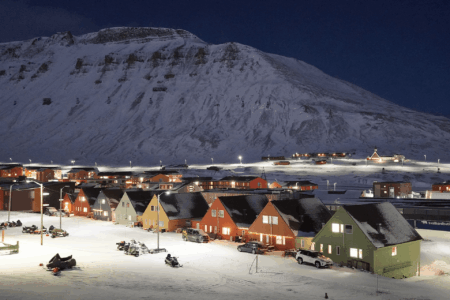
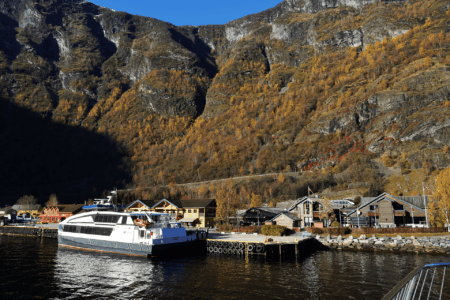
Northern Norway offers a very different kind of Northern Lights holiday. Instead of forests and cabins, think mountains, fjords, islands, fishing villages and Arctic coastline.
Destinations such as Tromsø, the Lyngen Alps and the Lofoten region are well suited to travellers who want scenery as much as aurora hunting. Weather can be changeable on the coast, but expert local guiding and flexible itineraries can help you find clearer skies.
Go to Northern Norway if you want:
- Dramatic fjord and mountain scenery
- Coastal aurora hunting
- Whale watching in season
- A more adventurous Arctic holiday
- Beautiful boutique hotels and lodges
Best months in 2026: October to December
Best wider season: September to March
Iceland: best for landscapes, geothermal bathing and touring
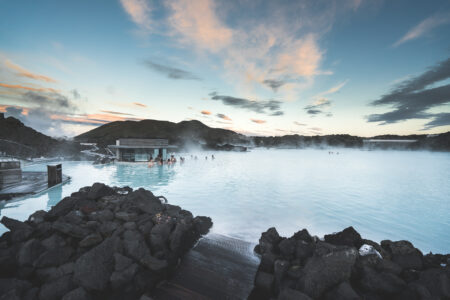
Iceland is a brilliant choice if you want the Northern Lights as part of a wider adventure. The aurora may be the reason you travel, but Iceland adds waterfalls, black-sand beaches, glaciers, lava fields, hot springs and geothermal lagoons.
It is also a good option if you like a more flexible style of travel, including private touring or carefully planned self-drive itineraries.
Go to Iceland if you want:
- Wild volcanic landscapes
- Geothermal spas and lagoons
- Private touring or self-drive options
- A shorter flight from the UK
- A mix of aurora and natural wonders
Best months in 2026: September to December
Best wider season: September to March/April
Which month and destination should you choose?
| Travel month | Best destination choices | Best for |
| September 2026 | Swedish Lapland, Finnish Lapland, Iceland, Northern Norway | Autumn colours, milder weather, early aurora |
| October 2026 | Iceland, Northern Norway, Swedish Lapland, Finnish Lapland | Quieter travel, dark skies, touring |
| November 2026 | Finnish Lapland, Swedish Lapland, Northern Norway | Early winter, snow potential, cosy lodges |
| December 2026 | Finnish Lapland, Swedish Lapland, Northern Norway | Festive atmosphere, snow, family trips |
| January–March 2027 | Finland, Sweden, Norway, Iceland | Peak winter experiences and snowy landscapes |
Can you guarantee seeing the Northern Lights?
No — and no responsible travel specialist should promise that.
The aurora depends on several factors coming together: solar activity, darkness, clear skies, low light pollution and your location. Cloud cover can hide the display even when the aurora is active above you.
That is why the best Northern Lights holidays are designed to improve your chances rather than guarantee a sighting. You can do this by:
- Travelling during the dark season.
- Staying in or near the auroral zone – as Experts we know where these are!
- Choosing remote, low-light locations.
- Spending several nights in the destination.
- Using expert local guides.
- Building flexibility into your itinerary.
A three- or four-night trip can work, but if seeing the aurora is your priority, a longer stay gives you more opportunities.
So, where should you go in 2026?
If you want the classic luxury aurora experience, choose Finnish Lapland.
If you want remote wilderness and fewer crowds, choose Swedish Lapland.
If you want mountains, fjords and coastal drama, choose Northern Norway.
If you want the Northern Lights alongside volcanoes, glaciers and geothermal bathing, choose Iceland.
For most travellers planning a Northern Lights holiday in 2026, the strongest recommendation is to travel between September and December 2026, or to look ahead to January to March 2027 for the heart of the winter season.
The Northern Lights can never be guaranteed, but with the right destination, the right month and expert planning, 2026 remains a very exciting year to travel north.
Plan your 2026 Luxury Northern Lights holiday
At Aurora Nights, we create tailor-made Northern Lights holidays across the Nordic region, combining carefully chosen accommodation, expert local experiences and the best possible locations for aurora viewing.
Whether you dream of a glass igloo in Finnish Lapland, a remote lodge in Swedish wilderness, a private journey through Iceland or a dramatic coastal escape in Norway, our team can help you choose the right destination and the right time to travel.
Start planning your 2026 Aurora holiday with Aurora Nights.