When to Go, What to Expect and How to Plan an Aurora Holiday
The best time to visit Iceland for the Northern Lights is between September and April, when the nights are dark enough for the aurora borealis to be visible. Within this season, the strongest months for a balanced Iceland aurora holiday are often September, October, February and March, when travellers can combine good Northern Lights potential with enough daylight for exploring Iceland’s glaciers, waterfalls, black sand beaches and geothermal landscapes.
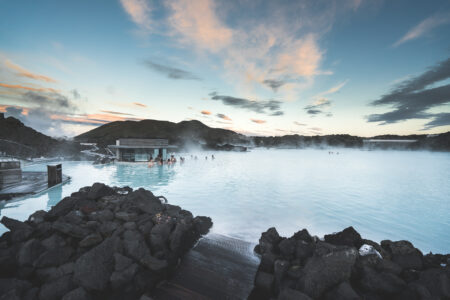
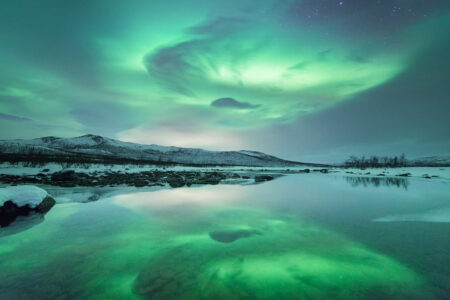
Iceland is one of the world’s most atmospheric places to see the Northern Lights. Its volcanic scenery, remote countryside hotels, natural hot springs and dramatic winter skies make it ideal for travellers who want more than a simple aurora chase. A well-planned Iceland Northern Lights holiday can combine private guiding, luxury accommodation, geothermal bathing, glacier experiences and evenings spent watching the sky for one of nature’s most memorable displays.
The aurora is never guaranteed, but choosing the right time of year, staying for several nights and travelling with a flexible itinerary can significantly improve your chances.
Quick Answer: What Is the Best Month to See the Northern Lights in Iceland?
The best months to see the Northern Lights in Iceland are usually September to March, with October, February and March offering an excellent balance of dark skies, travel conditions and daytime experiences.
December and January provide the longest nights, which means more hours of darkness for aurora viewing. However, these months also have shorter daylight hours for sightseeing and more changeable winter weather.
March is often one of the best months for an Iceland Northern Lights trip because the nights are still dark, but the days are longer, making it easier to explore the Golden Circle, South Coast, glaciers and geothermal lagoons.
When Is the Northern Lights Season in Iceland?
The Northern Lights season in Iceland runs from September to April. This is the period when Iceland has enough darkness for the aurora borealis to be visible.
The Northern Lights can occur at any time of year, but they cannot be seen properly under bright skies. During Iceland’s summer months, the long daylight and midnight sun make aurora viewing almost impossible. That is why May, June, July and most of August are not suitable for a Northern Lights holiday.
For the best chance of seeing the aurora in Iceland, plan your trip between early autumn and early spring, stay away from light pollution where possible, and allow several nights in your itinerary.
Month-by-Month Guide to Visiting Iceland for the Northern Lights
September in Iceland
September marks the return of darker nights in Iceland, making it one of the first good months of the aurora season. It is an excellent choice for travellers who want to see the Northern Lights while still enjoying relatively mild conditions and longer daylight hours.
The landscapes begin to shift into autumn, with golden tones, quieter roads and beautiful light for photography. September is especially good for travellers who want to combine aurora watching with sightseeing, private touring or a luxury self-drive itinerary.
Why visit Iceland in September:
- The Northern Lights season begins
- Roads and attractions are generally more accessible than in deep winter
- There is still enough daylight for exploring
- Autumn colours add atmosphere to the landscapes
- It is a good month for couples, families and first-time visitors
September is ideal if you want an Iceland aurora holiday without the intensity of mid-winter.
October in Iceland
October is one of the best shoulder-season months to visit Iceland for the Northern Lights. The nights are longer than in September, the landscapes feel more dramatic, and visitor numbers are lower than in peak summer.
This is a strong month for combining the Golden Circle, South Coast, black sand beaches, waterfalls, geothermal lagoons and countryside aurora viewing. Iceland begins to feel wilder in October, but it is not yet as dark or wintry as December and January.
Why visit Iceland in October:
- Good balance of darkness and daylight
- Strong Northern Lights potential
- Quieter than peak travel periods
- Atmospheric landscapes and changing weather
- Excellent for luxury short breaks or longer private itineraries
October is a particularly good option for travellers who want the Northern Lights to be a key part of the trip, while still enjoying plenty of daytime experiences.
November in Iceland
November is when winter begins to settle across Iceland. The days become shorter, the nights become longer and the landscapes take on a more powerful, elemental quality.
For aurora travellers, November offers extended darkness and a strong sense of winter atmosphere. Weather can be changeable, so expert planning is important. Private transfers, guided touring and carefully selected accommodation can make the experience much smoother.
Why visit Iceland in November:
- Longer nights for aurora viewing
- A quieter pre-Christmas travel period
- A more dramatic winter atmosphere
- Good timing for glacier and ice-related experiences, depending on conditions
- Strong option for travellers who prefer fewer crowds
November is best suited to travellers who want Iceland to feel remote, atmospheric and wintry.
December in Iceland
December is one of the darkest months in Iceland, which means long nights for Northern Lights viewing. It is also one of the most atmospheric times to visit, especially for travellers looking for a festive winter escape.
Reykjavík feels cosy and seasonal, while the countryside offers dark skies, snowy landscapes and a strong contrast between wild nature and warm interiors. The shorter daylight hours mean itineraries should be carefully paced rather than overfilled.
Why visit Iceland in December:
- Long hours of darkness for aurora watching
- Festive atmosphere in Reykjavík
- Romantic winter scenery
- Excellent for honeymoons, couples and special occasions
- Ideal for slow-paced luxury winter travel
December is a beautiful time to visit Iceland, but it is important to plan around limited daylight.
January in Iceland
January brings a deep winter to Iceland. The days are short, the nights are long and the scenery can be spectacular, with snow, ice, steam and volcanic landscapes creating a dramatic backdrop.
This is a strong month for travellers who want a true winter Northern Lights holiday. It can also be one of the most atmospheric times for photography, particularly around frozen waterfalls, glaciers, black sand beaches and geothermal areas.
Why visit Iceland in January:
- Long nights for aurora viewing
- Dramatic winter landscapes
- Fewer crowds after the festive period
- Strong sense of remote Arctic atmosphere
- Good for travellers who want a proper winter experience
January is best for those who are comfortable with winter conditions and want a slower, highly atmospheric itinerary.
February in Iceland
February is one of the best months to visit Iceland for a winter aurora holiday. The nights are still dark enough for Northern Lights viewing, but the days are beginning to lengthen, giving travellers more time for sightseeing and activities.
This makes February a strong choice for combining aurora watching with ice caves, glacier experiences, geothermal bathing, private touring and the South Coast.
Why visit Iceland in February:
- Good Northern Lights conditions
- More daylight than December and January
- Winter landscapes remain dramatic
- Strong month for ice caves and glacier experiences
- Excellent balance of adventure and comfort
February is ideal for travellers who want the atmosphere of winter with a little more flexibility for daytime exploration.
March in Iceland
March is often one of the best months to visit Iceland for the Northern Lights. The nights are still dark, but the days are much longer than in mid-winter, creating one of the best balances between aurora viewing and sightseeing.
For many travellers, March is the sweet spot. You can still enjoy winter landscapes, glaciers, ice caves and dark skies, while also having enough daylight to explore Iceland properly.
Why visit Iceland in March:
- Excellent balance of daylight and darkness
- Strong aurora viewing potential
- Good for photography
- More comfortable touring conditions than deep winter
- Ideal for combining the Golden Circle, South Coast and luxury countryside stays
March is one of the most recommended months for an Iceland Northern Lights holiday, especially for travellers who want both aurora opportunities and a full itinerary of daytime experiences.
April in Iceland
April is the final month of Iceland’s main Northern Lights season. Early April can still offer enough darkness for aurora viewing, but the nights shorten quickly as the month progresses.
This is a good time for travellers who want a spring-like Iceland experience with the possibility of seeing the Northern Lights, rather than making the aurora the only focus of the trip.
Why visit Iceland in April:
- Last chance for Northern Lights before summer
- Longer days for sightseeing
- A softer transition into spring
- Easier travel conditions than deep winter
- Good for travellers who want aurora potential plus broader exploration
For the best aurora chances, travel earlier in the season. For a more relaxed spring itinerary with a chance of the lights, April can work well.
Can You See the Northern Lights in Iceland in Summer?
You usually cannot see the Northern Lights in Iceland in summer because the skies are too bright. From May to August, Iceland experiences very long daylight hours, with the midnight sun strongest around June and July.
Although aurora activity may still happen high above the Earth, it is not visible to the human eye without darkness. For this reason, summer is not the right season for an Iceland Northern Lights holiday.
However, summer is still a spectacular time to visit Iceland for other reasons. It is ideal for hiking, whale watching, puffins, highland access, long road trips and exploring remote regions that are harder to reach in winter.
Choose summer for:
- Midnight sun
- Puffins and wildlife
- Whale watching
- Hiking and highland roads
- Longer self-drive itineraries
- Waterfalls, volcanoes and coastal scenery
Choose winter, autumn or early spring if your priority is the Northern Lights.
Best Places to See the Northern Lights in Iceland
The best places to see the Northern Lights in Iceland are areas with dark skies, low light pollution and open views to the north. While the aurora can sometimes be seen from Reykjavík during strong displays, the best experiences usually happen outside the city.
Top areas for Northern Lights holidays in Iceland include:
South Iceland
South Iceland is one of the best regions for first-time visitors. It offers access to the Golden Circle, South Coast waterfalls, black sand beaches, glaciers and countryside hotels where light pollution is much lower than in Reykjavík.
This region is ideal for travellers who want iconic Iceland landscapes alongside strong aurora potential.
The Golden Circle
The Golden Circle is one of Iceland’s most famous sightseeing routes, including Þingvellir National Park, Geysir geothermal area and Gullfoss waterfall. Staying in the countryside around this region gives travellers access to dark skies without travelling too far from Reykjavík.
The South Coast
The South Coast is known for waterfalls, glaciers, black sand beaches and dramatic ocean scenery. It is a spectacular region for winter touring and can work beautifully as part of a luxury Northern Lights itinerary.
North Iceland
North Iceland offers a quieter, more remote experience. Areas around Akureyri, Lake Mývatn and Goðafoss can be excellent for travellers who want fewer crowds and a deeper sense of space.
This region is particularly appealing for repeat visitors or those who want to experience a different side of Iceland.
Remote Countryside Hotels
Some of the best aurora experiences happen at remote countryside hotels and lodges, where guests can step outside when the lights appear. Many properties offer aurora wake-up calls or easy access to dark viewing areas, which can make a significant difference.
How Many Nights Should You Stay in Iceland to See the Northern Lights?
For the best chance of seeing the Northern Lights in Iceland, stay for at least four to seven nights. The longer you stay, the more opportunities you have for clear skies and favourable aurora activity.
A two- or three-night trip can work if you are lucky, but it gives you less flexibility. Cloud cover, weather systems and solar activity can change quickly, so a longer itinerary gives you a better chance of success.
For a luxury Iceland Northern Lights holiday, five to seven nights is often ideal. This allows time for aurora watching, private excursions, geothermal bathing, glacier experiences and a more relaxed pace.
What Conditions Do You Need to See the Northern Lights in Iceland?
To see the Northern Lights in Iceland, you need three key conditions:
- Darkness
- Clear skies
- Aurora activity
Darkness is why September to April is the best time to travel. Clear skies are essential because cloud cover can block the aurora, even if activity is strong. Aurora activity depends on solar wind and geomagnetic conditions.
A good itinerary should allow flexibility. If one region is cloudy, a private guide may be able to adjust the evening plan. If the forecast is strong, it may be worth staying out later or moving away from artificial light.
The best Northern Lights trips are designed around patience, flexibility and expert local knowledge.
Is Iceland Good for a Luxury Northern Lights Holiday?
Iceland is excellent for a luxury Northern Lights holiday because it combines dramatic natural landscapes with high-quality accommodation, private guiding, fine dining, geothermal bathing and unique experiences.
A luxury aurora trip to Iceland can include:
- Private airport transfers
- Boutique countryside hotels
- Private Super Jeep tours
- Glacier hikes or ice cave visits
- Geothermal lagoon experiences
- South Coast touring
- Golden Circle sightseeing
- Fine dining in Reykjavík
- Aurora wake-up calls
- Expert-led Northern Lights excursions
Iceland works particularly well for travellers who want adventure without compromising on comfort.
Best Time to Visit Iceland
Best Time for Northern Lights
Visit Iceland between September and April. For the best balance of darkness and daytime exploration, consider October, February or March.
Best Time for Ice Caves
Ice cave season is generally strongest in winter, often from November to March, depending on conditions. This combines well with a Northern Lights itinerary.
Best Time for Whale Watching
Whale watching is available at different times of year, but summer is one of the most popular seasons, especially in North Iceland.
Best Time for Puffins
Puffins are usually seen in Iceland during the summer months, especially from late spring to August. This is not Northern Lights season, but it is excellent for wildlife-focused travel.
Best Time for Hiking
The best time for hiking in Iceland is usually summer, when trails are more accessible and daylight is long. For winter walking or snowshoe-style experiences, travel with an expert guide.
Best Time for Fewer Crowds
September, October, November, February, March and April can all offer quieter experiences than peak summer, depending on where you travel.
Best Time for a Honeymoon or Romantic Trip
December to March is ideal for a romantic winter escape with the possibility of Northern Lights, cosy countryside hotels, geothermal lagoons and dramatic landscapes.
Frequently Asked Questions About Seeing the Northern Lights in Iceland
What is the best month to see the Northern Lights in Iceland?
The best months to see the Northern Lights in Iceland are usually September to March. March is especially good for travellers who want a balance of dark skies and enough daylight for sightseeing.
Can you see the Northern Lights in Reykjavík?
Yes, it is sometimes possible to see the Northern Lights from Reykjavík during strong aurora activity. However, light pollution makes the display harder to see, so countryside locations are usually better.
Are the Northern Lights guaranteed in Iceland?
No, the Northern Lights are never guaranteed. They depend on darkness, clear skies and solar activity. Staying for several nights and travelling with a flexible itinerary improves your chances.
Is December a good time to visit Iceland for the Northern Lights?
Yes, December can be a good time to see the Northern Lights because the nights are very long. However, daylight hours are limited, so daytime touring should be carefully planned.
Is March a good time to see the Northern Lights in Iceland?
Yes, March is one of the best months for a Northern Lights holiday in Iceland. The nights are still dark, but the days are longer, making it easier to combine aurora viewing with sightseeing.
Can you see the Northern Lights in Iceland in August?
Late August may bring some darker nights, but it is not one of the strongest months for aurora travel. For better chances, travel from September onwards.
How cold is Iceland during the Northern Lights season?
Temperatures vary by month and region. Winter can be cold, windy and changeable, especially outside Reykjavík. Proper clothing, private transfers and expert planning make the experience much more comfortable.
Is Iceland or Lapland better for the Northern Lights?
Both Iceland and Lapland can be excellent for the Northern Lights. Iceland is ideal for travellers who want volcanic landscapes, glaciers, geothermal lagoons and dramatic coastal scenery. Lapland is ideal for snowy forests, glass-roofed cabins, reindeer, huskies and a deeper Arctic wilderness feel.
Final Recommendation: When Should You Visit Iceland?
The best time to visit Iceland for the Northern Lights is from September to April. For many travellers, October, February and March offer the strongest balance of aurora potential, daylight, winter atmosphere and travel comfort.
- Choose September or October if you want autumn colour, fewer crowds and a softer start to the aurora season.
- Choose December or January if you want long nights, festive atmosphere and deep winter drama.
- Choose February or March if you want one of the best combinations of Northern Lights potential, winter scenery and daylight for exploring.
- Choose summer if you want midnight sun, hiking, wildlife and long road trips, but not if your main goal is to see the aurora.
At Aurora Nights, we design tailor-made Iceland Northern Lights holidays around the way you want to travel. From private guiding and luxury countryside stays to geothermal lagoons, glacier adventures and carefully chosen aurora-viewing locations, every journey is planned to give you the best possible experience of Iceland’s extraordinary skies.