One of the most common questions we’re asked at Aurora Nights is:
“Is it better to see the Northern Lights in autumn or winter?”
The truth is, there’s no single “best” season”, but there is a best season for you. Autumn and winter Aurora trips offer very different experiences, landscapes, and rhythms. Understanding those differences is key to choosing the right time to travel and getting the most from your Northern Lights journey.
Here’s what to expect from each season, and the five most important things to consider when deciding when to go.
The Aurora Itself: No Seasonal Advantage
First, an important myth to clear up:
The Aurora does not appear more frequently in winter than in autumn.
As long as the nights are dark enough and solar activity is present, the Northern Lights can be equally spectacular in both seasons. What changes is everything around the Aurora — the landscape, the activities, the atmosphere, and the overall feel of your trip.
Autumn Aurora Trips: Dark Skies, Dramatic Landscapes
Autumn in the Arctic typically runs from September to early November. Snow may not have arrived yet, or it may appear lightly toward the end of the season.
What to Expect Without the Snow
- Dark skies return quickly after summer, often earlier in the evening
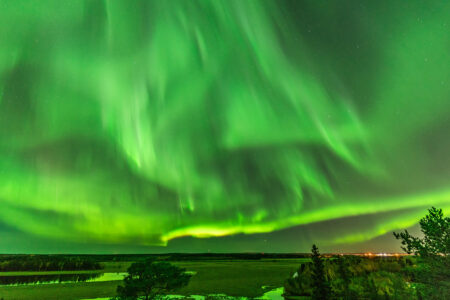
- Landscapes are rugged, raw, and colourful, with autumn tundra, forests, and fjords
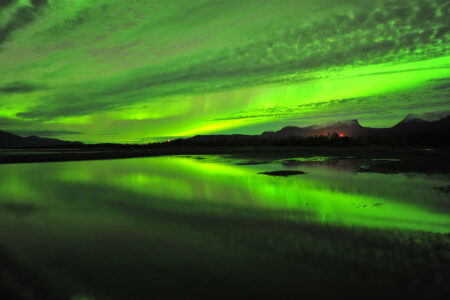
- Reflections of the Aurora in lakes, wetlands, and fjords (a photographer’s dream)
- Milder temperatures compared to deep winter
- Fewer visitors and a quieter, more intimate atmosphere
Autumn Aurora trips often feel more wild and elemental, perfect for travellers who love nature, photography, and a sense of space.
Winter Aurora Trips: Snowy Wilderness and Arctic Magic
Winter Aurora season usually runs from late November through March. This is when the Arctic transforms into the classic snowy wonderland many people imagine.
What to Expect When Everything Is Snowy and White
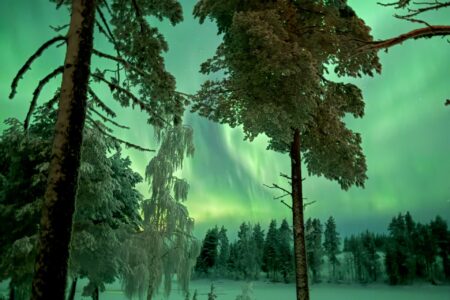
- Snow-covered forests, mountains, and frozen lakes
- A brighter landscape under moonlight and Aurora displays
- Access to iconic winter activities like dog sledding, snowmobiling, and reindeer encounters
- Cosy lodges, fireside evenings, and true Arctic ambience
- Colder temperatures, especially in inland locations
Winter trips deliver the storybook Arctic experience — dramatic, immersive, and unforgettable.
5 Key Things to Consider When Choosing Autumn vs Winter
1. Landscape & Visual Experience
- Autumn: Earthy tones, open water, reflections, and dramatic contrast
- Winter: Snow-covered scenes, glowing skies, and classic Arctic visuals
If you’ve always imagined the Aurora above a white, snowy forest then winter is your season.
If you’re drawn to raw nature and reflections then autumn may be ideal.
2. Activities Beyond the Aurora
- Autumn: Hiking, photography, fjord excursions, whale watching (in some regions)
- Winter: Dog sledding, snowmobiling, ice hotels, snowshoeing
If activities are a major part of your trip, winter offers a broader range of Arctic-specific experiences.
3. Temperatures & Comfort
- Autumn: Generally milder, easier for those sensitive to extreme cold
- Winter: Can be very cold, though high-quality clothing and planning make all the difference
Luxury Aurora travel isn’t about enduring the cold, it’s about being comfortable within it.
4. Crowd Levels & Exclusivity
- Autumn: Quieter, fewer travellers, more availability
- Winter: Peak season, especially December–February, with higher demand
Travelling with a specialist who works with small-scale partners is especially important in winter, when mass tourism can impact the experience.
5. Overall Atmosphere & Mood
- Autumn: Wild, peaceful, cinematic, and reflective
- Winter: Magical, festive, cosy, and deeply immersive
Neither is better… they’re simply different.
So, When Is the Best Time to Travel?
The best time to see the Northern Lights depends on:
- What kind of landscapes inspire you
- Whether activities matter as much as the Aurora itself
- How you feel about cold weather
- How important privacy and exclusivity are to you
At Aurora Nights, we don’t believe in one-size-fits-all Aurora trips. We take the time to understand how you want to experience the Arctic, and then match you to the season, location, and partners that will make that dream a reality.
Whether you choose the raw beauty of autumn or the snowy magic of winter, one thing remains the same:
The Northern Lights have a way of changing you — no matter the season.